Scopes change. It’s practically a law of physics. Even if the overall project goals don’t really change, we often find that the project is harder to accomplish than we originally thought. During the project we often discover a need for new features, or our regulatory strategy changes.
Critical Action Planning makes it easy to incorporate and quantify scope changes. In fact, simple quantification of scope and progress is one of the key benefits of the Critical Action Planning approach. It’s a by-product of the technique, that requires virtually no extra work.
Here’s how.
Continue reading “Critical Action Planning – How to Manage and Measure Scope and Progress”
 Critical Action Planning is my attempt to combine key elements of Critical Chain planning with an Agile/Kanban philosophical approach, specifically for companies developing physical/hardware products. Like the Critical Chain, Critical Action project management is based on a detailed best-case task list for the complete project. Like Agile/Kanban, we don’t define task dependencies or projected task start or end dates. Also like Agile/Kanban, we estimate the amount of best-case work-units required to complete each task (e.g. in person days). Eliminating dependency and date planning dramatically simplifies the planning process, and makes the project plan parseable. Like Critical Chain, we add a buffer to the best-case plan, by including tasks to represent potential re-work or project iterations. We estimate work-units for these tasks too.
 My colleague Jeff really opened my eyes when he introduced me to
  If your New Product Development (NPD) project management reliably delivers new products better, faster and cheaper than your competition, I’m impressed. Most of us are working hard to improve our NPD performance.
 The adoption of Agile project management techniques has been a key driver of improved new product development (NPD) productivity in tech and software companies (along with Moore’s law and industry adoption of technical standards). Here are ten ways Agile project management differs from traditional gantt-based management.
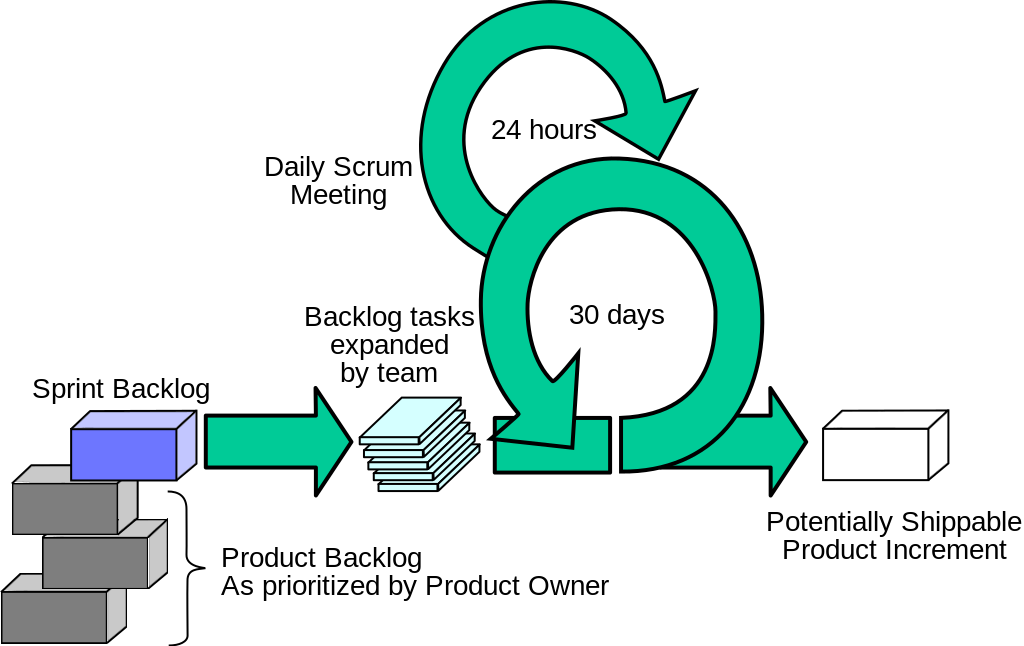 I’ve been writing recently about the wholesale abandonment of Gantt-based project management (including critical chain) by software and tech companies. In the software world, the Gantt approach has been wholly supplanted by Agile Project Management.
  Jay Caplan on Medical Devices